
How to Write a Manifesto for Local Elections
October 5, 2026 · 6 min read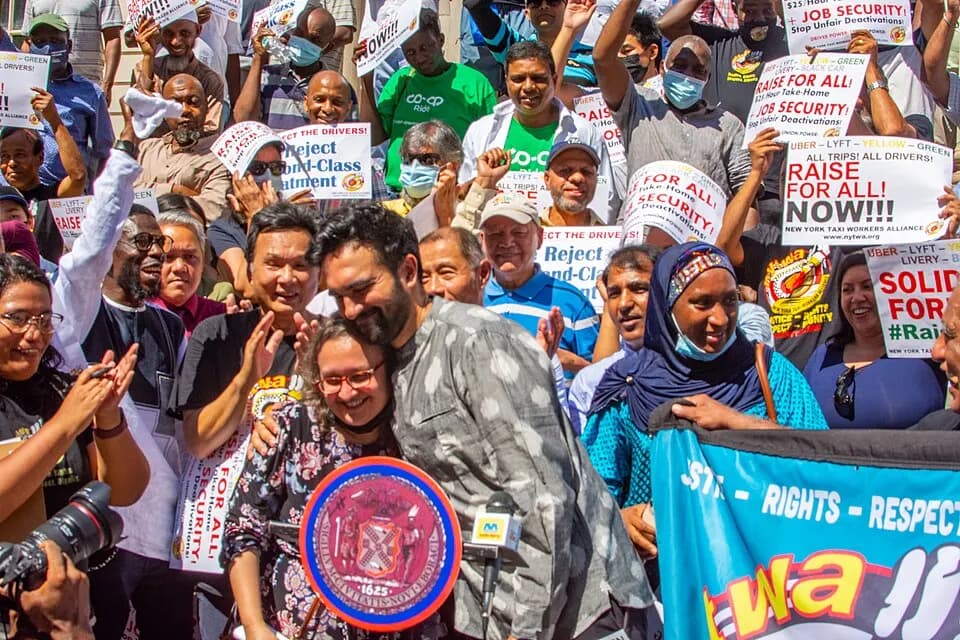
Maybe you've just set up an independent local group, or you're a party member and elections are around the corner. Either way, at some point you'll ask yourself: "How do we write our manifesto?" Don't worry, this guide is exactly what you need.
What is a manifesto for?
You may have wondered whether you really need a manifesto, given that hardly anyone reads them any more. The short answer is yes: a manifesto is still essential.
It's true that almost no voters read manifestos these days, but yours still works as a compass, a statement of your ideas and of how you want to solve your community's problems. It will also be the basis for communicating that vision to residents later on, and it's very hard to win anyone's vote without one.
What's more, having no manifesto costs you credibility, and your opponents can use it as a weapon to undermine your authority.
The groundwork
Writing the whole manifesto on your own, or only through internal discussions within your group, is not a good idea. A manifesto should reflect what residents actually need (especially your own voters), and it can't be left to the candidates' imagination alone. Politicians, and would-be politicians, often live in a bubble and rarely know (or want to acknowledge) the problems people really face.
So the first step is to organise meetings with residents and local community groups.
I'd recommend holding these meetings at least six months before the election. That way you won't come across as someone who only turns up when they need votes, and you'll have enough time to shape your campaign around what you hear.
Meetings with residents should be as informal as possible: avoid party offices and technical debates. The only goal is to listen to their problems. Don't rush to offer improvised solutions, and never contradict them: just listen and take notes.
Obviously, these meetings shouldn't be with party members or your friends, but with people completely outside politics. To find them, you can stop people in the street for quick interviews, set up a stall somewhere busy, organise events, or draw on your personal network. Try to reach as broad a cross-section of the community as possible: business owners, retirees, stay-at-home parents, students and so on.
As for local organisations (charities, residents' associations, sports clubs, cultural groups), approach them in a spirit of collaboration. Some will be closer to your politics and some further away, but it's important to try to open a dialogue with all of them. As with residents, the only goal is to listen to their concerns and ideas, and take notes.
Getting in touch should be fairly easy through their public contact details. Introduce yourself, whether as a group or as an individual candidate, as someone who genuinely wants to hear what they have to say.
If you've done all this properly, certain problems will come up again and again. Now it's time to organise your notes, grouping the problems by theme and similarity.
Writing the manifesto
Now that you have a structured list of the problems raised by residents and local organisations, you can focus on solving them.
The problems you've identified won't be very different from those identified by other parties and candidates; what sets you apart is your solutions. For the same problem, for example, a more market-oriented group might look for a solution through partnerships with private businesses, while a more left-leaning one might rely on services run directly by the council.
To turn your political vision into a manifesto, organise policy workshops, open to all residents if possible. There, guided by your overall vision, you'll go through the problems one by one and turn each solution into one or more manifesto pledges.
Don't worry if you end up with a lot of them: a good manifesto can easily contain a hundred pledges, and during the campaign you'll focus on only a handful.
At local level, pledges need to be concrete, something like "We will build a public swimming pool on X Street" or "We will plant X trees in the town square." Statements of values are perfectly fine and help explain your vision for the town, but each pledge should go straight to the solution.
A fairly tricky issue is costing your proposals. I always recommend including costings in the manifesto, even rough estimates if you don't have the expertise or resources for anything more precise. To work out what money is available, start with the council's budget and the grants and funding schemes the council can bid for from regional or national government. This will stop you from making promises you can't keep, and protect you from the classic attack from opponents: "What you're proposing is unrealistic."
Also pay close attention to what your council actually has power over. It's easy to make promises you can't keep simply because they fall outside the council's responsibilities. Local government powers vary a lot from country to country, and sometimes from one council to the next, so check what yours is responsible for before you put a pledge in writing.
Communicating the manifesto
Now for the most important part: "How do I get my proposals across to residents?"
Public interest in politics, especially local politics, is very low. That means you need to focus what little attention there is on a few flagship pledges. These should be three pledges that sum up your vision for the town and that matter most to voters.
Your campaign should be built mainly around these three. The other pledges can be raised alongside them, tied to local events or news stories, but they shouldn't be the backbone of the campaign.
If you're one of several candidates standing for council, you can set yourself apart from the others, including those on your own side, by championing one or two more niche proposals that get little attention during the campaign and making them your signature issues. Choose them based on your interests, expertise and personal story (for example, if you're in your twenties, push for a new youth centre).
How to communicate your manifesto during the campaign is a huge topic, so we'll be writing a dedicated guide on it soon.
Until then: if you want to turn your three flagship pledges into consistent, effective social media content, take a look at Periclize and join the beta waitlist.
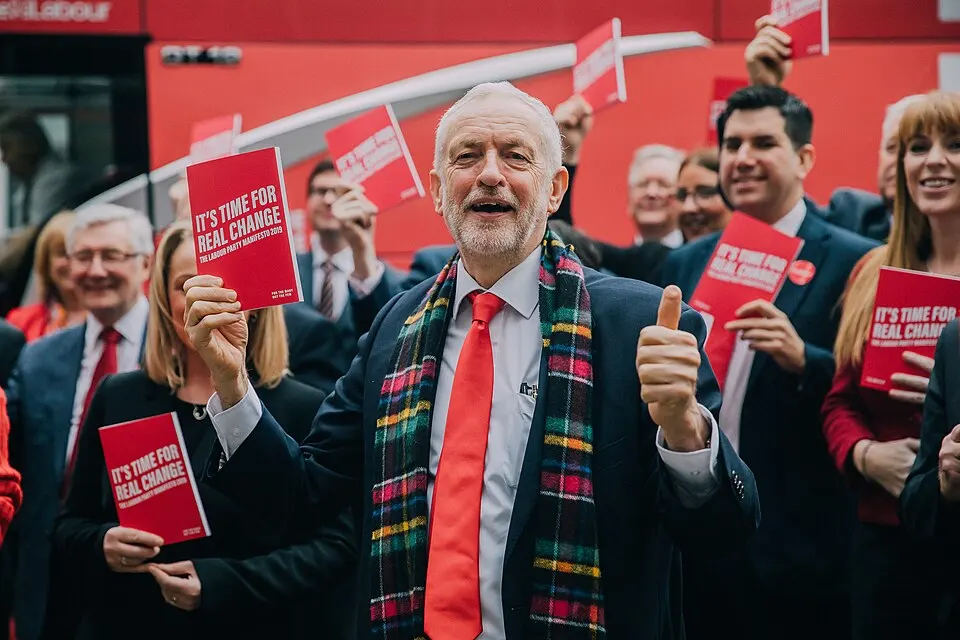
Cover photo: InformedImages, CC BY 4.0, via Wikimedia Commons. In-article photo: Jeremy Corbyn, CC BY 2.0, via Wikimedia Commons.

.jpg)
Secure your digital advantage
We are granting access to a limited number of candidates for the 2027 election cycle. Join the waitlist to be the first to try Periclize.
Join Waitlist